Buy youngnailscaption.be ?
We are moving the project
youngnailscaption.be .
Are you interested in purchasing the domain
youngnailscaption.be ?
domain@kv-gmbh.de · 0541-91531010
Buy youngnailscaption.be ?
Unicellular species
Unicellular species are organisms that consist of a single cell, as opposed to multicellular organisms that are made up of multiple cells. These single-celled organisms can carry out all the necessary functions for life within that one cell, including obtaining nutrients, reproducing, and responding to their environment. Examples of unicellular species include bacteria, archaea, protists, and some types of algae. Despite their simple structure, unicellular species play important roles in various ecosystems and can have significant impacts on the environment. **
'Unicellular species'
Unicellular species are organisms that consist of only a single cell. These organisms carry out all of the necessary functions for life within this single cell, including obtaining nutrients, reproducing, and responding to their environment. Examples of unicellular species include bacteria, archaea, and protists. Despite being simple in structure, unicellular species can be highly diverse and have adapted to thrive in a wide range of environments. **

Similar search terms for Unicellular
Top-Angebote
Products related to Unicellular:
-
Linteo Kids Creative lingettes pour enfant 15 pcsLinteo Kids Creative, 15 pcs, Lingettes de toilette pour enfant, Une utilisation régulière de ce produit renforce encore son effet. Le produit : supprime les impuretés s’utilise sur le corps et le visage rafraîchit et nourrit la peau0,63 €*Shipping: 3,45 €Secure redirect to the provider
-
Creative Mini vibromasseur Peachy Pony rechargeable et puissantPetit par la taille, grand par les sensations, le Mini Peachy Pony est un vibromasseur rechargeable qui vous accompagne partout avec élégance 🖤.Un format compact pour une utilisation nomadeAvec son design miniature et discret, ce vibromasseur se glisse facilement dans une poche ou un sac. Léger et24,99 €*Shipping: 3,90 €Secure redirect to the provider
-
PUMA Ballerines CATCH SOLEIL CHICDétails produit • Talon plat • Bout rond • Fermeture : A bride/boucle Composition et Entretien • Dessus/Tige : 100% autres matériaux • Doublure : 100% textile • Semelle intérieure : 100% textile • Semelle extérieure : 100% caoutchouc55,00 €*Shipping: 3,99 €Secure redirect to the provider
-
Svenjoyment Boxer de Bondage ChicOptez pour un style audacieux et séduisant avec ce pantalon de bondage noir au look mat irrésistible. Sa coupe près du corps, tout en restant extensible, offre un confort inégalé pour toutes vos aventures.Un design captivantCe modèle se distingue par une rangée de pressions à l'avant, s'étendant39,99 €*Shipping: 0,00 €Secure redirect to the provider



-
Are plants unicellular or multicellular?
Plants are multicellular organisms. **
-
What are eukaryotic unicellular organisms?
Eukaryotic unicellular organisms are single-celled organisms that have a true nucleus enclosed within a membrane. They belong to the domain Eukarya and can be found in various environments such as water, soil, and even inside other organisms. Examples of eukaryotic unicellular organisms include protists like amoebas, paramecia, and algae. These organisms can carry out all the necessary functions for life within a single cell. **
-
What are unicellular and multicellular organisms?
Unicellular organisms are living things that are made up of only one cell. This means that all of their life processes, such as obtaining nutrients, reproducing, and responding to their environment, occur within a single cell. Examples of unicellular organisms include bacteria, protozoa, and some types of algae. On the other hand, multicellular organisms are made up of more than one cell. These cells are specialized to perform different functions within the organism, such as muscle cells for movement, nerve cells for communication, and skin cells for protection. Multicellular organisms include plants, animals, and fungi. The cells in multicellular organisms work together to support the overall function and survival of the organism. **
-
What were the non-organic first living organisms - unicellular organisms, if we consider paramecia and amoebas as the first unicellular organisms?
The non-organic first living organisms were likely simple organic molecules that formed through chemical reactions in the early Earth's environment. These molecules eventually combined to form the first unicellular organisms, such as paramecia and amoebas. These unicellular organisms were likely the result of a gradual process of chemical evolution, where simple organic molecules organized themselves into more complex structures capable of exhibiting life-like properties. This process eventually led to the emergence of the first living organisms on Earth. **


What are the differences between unicellular and multicellular organisms?
Unicellular organisms are made up of a single cell, while multicellular organisms are made up of multiple cells. Unicellular organisms carry out all life processes within a single cell, while multicellular organisms have specialized cells that perform specific functions. Multicellular organisms have a higher level of organization and complexity compared to unicellular organisms. Additionally, multicellular organisms have a division of labor among cells, allowing for more efficient functioning and larger size. **
How did the unicellular organism evolve into a multicellular organism?
The evolution of unicellular organisms into multicellular organisms is believed to have occurred through a process called coloniality. Initially, unicellular organisms formed colonies where individual cells worked together for survival. Over time, some cells within these colonies specialized in specific functions, leading to the development of multicellular organisms with different cell types. This specialization allowed for more complex structures and functions, ultimately leading to the evolution of multicellular organisms. **
Top-Angebote
Products related to Unicellular:
-
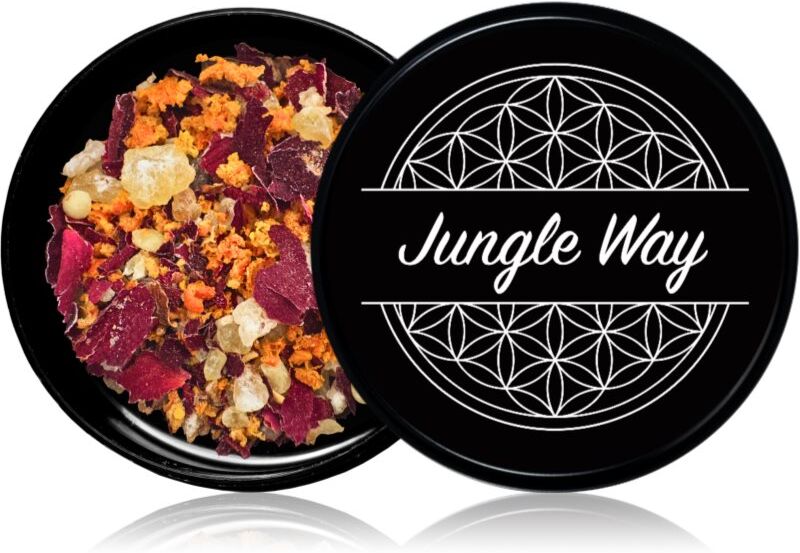
Jungle Way Creative Thoughts encens 15 gJungle Way Creative Thoughts, 15 g, Oliban et encens Parfum d'ambiance, Le bâton de fumigation Jungle Way Creative Thoughts vous permet de faire entrer des ondes positives dans votre quotidien. Sa fumée légère et son parfum harmonisant vous garantissent une expérience aromathérapeutique puissante et une ambiance relaxante. Transformez votre intérieur en une oasis emplie de senteurs purifiantes qui vous aideront à trouver la paix intérieure et à oublier le stress de la vie de tous les jours. Le produit : parfum floral arôme herbacé parfum chaleureux mélange spécialement conçu pour la fumigation herbes séchées conçues pour la fumigation remplit l’espace d’un parfum harmonisant Mode d’emploi : Tenir hors de portée des enfants et des animaux domestiques. Ne laissez jamais l’encensoir sans surveillance lorsque le charbon est allumé. Utilisez toujours un encensoir conçu pour cet effet. Après utilisation, éteignez avec de l’eau. Suivez les instructions du manuel joint. Allumez le bâton de fumigation, laissez-le brûler quelques instants et soufflez dessus pour l’éteindre. Utilisez-le toujours dans une pièce bien aérée.12,90 €*Shipping: 3,45 €Secure redirect to the provider
-
Linteo Kids Creative lingettes pour enfant 15 pcsLinteo Kids Creative, 15 pcs, Lingettes de toilette pour enfant, Une utilisation régulière de ce produit renforce encore son effet. Le produit : supprime les impuretés s’utilise sur le corps et le visage rafraîchit et nourrit la peau0,63 €*Shipping: 3,45 €Secure redirect to the provider
-
Creative Mini vibromasseur Peachy Pony rechargeable et puissantPetit par la taille, grand par les sensations, le Mini Peachy Pony est un vibromasseur rechargeable qui vous accompagne partout avec élégance 🖤.Un format compact pour une utilisation nomadeAvec son design miniature et discret, ce vibromasseur se glisse facilement dans une poche ou un sac. Léger et24,99 €*Shipping: 3,90 €Secure redirect to the provider
-
Unicellular species
Unicellular species are organisms that consist of a single cell, as opposed to multicellular organisms that are made up of multiple cells. These single-celled organisms can carry out all the necessary functions for life within that one cell, including obtaining nutrients, reproducing, and responding to their environment. Examples of unicellular species include bacteria, archaea, protists, and some types of algae. Despite their simple structure, unicellular species play important roles in various ecosystems and can have significant impacts on the environment. **
-
'Unicellular species'
Unicellular species are organisms that consist of only a single cell. These organisms carry out all of the necessary functions for life within this single cell, including obtaining nutrients, reproducing, and responding to their environment. Examples of unicellular species include bacteria, archaea, and protists. Despite being simple in structure, unicellular species can be highly diverse and have adapted to thrive in a wide range of environments. **
-
Are plants unicellular or multicellular?
Plants are multicellular organisms. **
-
What are eukaryotic unicellular organisms?
Eukaryotic unicellular organisms are single-celled organisms that have a true nucleus enclosed within a membrane. They belong to the domain Eukarya and can be found in various environments such as water, soil, and even inside other organisms. Examples of eukaryotic unicellular organisms include protists like amoebas, paramecia, and algae. These organisms can carry out all the necessary functions for life within a single cell. **
Similar search terms for Unicellular
-
PUMA Ballerines CATCH SOLEIL CHICDétails produit • Talon plat • Bout rond • Fermeture : A bride/boucle Composition et Entretien • Dessus/Tige : 100% autres matériaux • Doublure : 100% textile • Semelle intérieure : 100% textile • Semelle extérieure : 100% caoutchouc55,00 €*Shipping: 3,99 €Secure redirect to the provider
-
Svenjoyment Boxer de Bondage ChicOptez pour un style audacieux et séduisant avec ce pantalon de bondage noir au look mat irrésistible. Sa coupe près du corps, tout en restant extensible, offre un confort inégalé pour toutes vos aventures.Un design captivantCe modèle se distingue par une rangée de pressions à l'avant, s'étendant39,99 €*Shipping: 0,00 €Secure redirect to the provider
-
SKECHERS Baskets TOPNOTCH- SHIMMER CHICUn classique moderne revisité pour plus de confort avec le modèle Skechers Topnotch - Shimmer Chic.Ce modèle de la gamme Court & Classics se caractérise par une tige en cuir Duraleather métallisé avec un laçage sur le devant et une semelle intérieure rembourrée Skechers Air-Cooled Memory Foam®. Détails produit • Usage sportswear • Talon plat • Fermeture : A lacets • Tige en Duraléthier métallisé avec fermeture à lacets • Semelle extérieure flexible à crampons en dents de scie • Talon de 1,9 cm • Logo Skechers® • Semelle intérieure rembourrée Skechers Air-Cooled Memory Foam® pour un confort optimal Composition et Entretien • Dessus/Tige : 100% autres matériaux • Doublure : 100% textile • Semelle intérieure : 100% textile • Semelle extérieure : 100% caoutchouc74,95 €*Shipping: 3,99 €Secure redirect to the provider
-
DODO Couette tempérée, Frenchy ChicLaissez-vous envelopper par la douceur de la couette tempérée Frenchy Chic. Fabriquée en France, elle est signée Dodo. • 300 g/m² : couette tempérée • Niveau de chaleur : idéale pour chambre tempérée chauffée de 15 à 20° environ Bien choisir sa couette ? Consultez notre guide sur le site. Description • Garnissage fibres 100% polyester • Grammage 300 g/m2 • Enveloppe 100% polyester, 110 g/m2 • Finition passepoil Entretien • Température de lavage 40° • Séchage possible en machine à température modérée Dimensions • 140 x 200 cm : 1 personne • 220 x 240 cm : 2 personnes • 240 x 260 cm : 2 personnes • FABRIQUÉ EN FRANCE. • OEKO-TEX® Standard 100. La labellisation OEKO-TEX® Standard 100 contrôle les substances nocives des produits textiles via un label indépendant et international.89,99 €*Shipping: 3,99 €Secure redirect to the provider
-
What are unicellular and multicellular organisms?
Unicellular organisms are living things that are made up of only one cell. This means that all of their life processes, such as obtaining nutrients, reproducing, and responding to their environment, occur within a single cell. Examples of unicellular organisms include bacteria, protozoa, and some types of algae. On the other hand, multicellular organisms are made up of more than one cell. These cells are specialized to perform different functions within the organism, such as muscle cells for movement, nerve cells for communication, and skin cells for protection. Multicellular organisms include plants, animals, and fungi. The cells in multicellular organisms work together to support the overall function and survival of the organism. **
-
What were the non-organic first living organisms - unicellular organisms, if we consider paramecia and amoebas as the first unicellular organisms?
The non-organic first living organisms were likely simple organic molecules that formed through chemical reactions in the early Earth's environment. These molecules eventually combined to form the first unicellular organisms, such as paramecia and amoebas. These unicellular organisms were likely the result of a gradual process of chemical evolution, where simple organic molecules organized themselves into more complex structures capable of exhibiting life-like properties. This process eventually led to the emergence of the first living organisms on Earth. **
-
What are the differences between unicellular and multicellular organisms?
Unicellular organisms are made up of a single cell, while multicellular organisms are made up of multiple cells. Unicellular organisms carry out all life processes within a single cell, while multicellular organisms have specialized cells that perform specific functions. Multicellular organisms have a higher level of organization and complexity compared to unicellular organisms. Additionally, multicellular organisms have a division of labor among cells, allowing for more efficient functioning and larger size. **
-
How did the unicellular organism evolve into a multicellular organism?
The evolution of unicellular organisms into multicellular organisms is believed to have occurred through a process called coloniality. Initially, unicellular organisms formed colonies where individual cells worked together for survival. Over time, some cells within these colonies specialized in specific functions, leading to the development of multicellular organisms with different cell types. This specialization allowed for more complex structures and functions, ultimately leading to the evolution of multicellular organisms. **
* All prices are inclusive of VAT and, if applicable, plus shipping costs. The offer information is based on the details provided by the respective shop and is updated through automated processes. Real-time updates do not occur, so deviations can occur in individual cases. ** Note: Parts of this content were created by AI.