Buy youngnailscaption.be ?
We are moving the project
youngnailscaption.be .
Are you interested in purchasing the domain
youngnailscaption.be ?
domain@kv-gmbh.de · 0541-91531010
Buy youngnailscaption.be ?
What are trophic levels and trophic structures?
Trophic levels refer to the hierarchical levels in an ecosystem through which energy and nutrients flow. They represent the feeding positions of different organisms in a food chain or food web. Trophic structures, on the other hand, describe the organization of these trophic levels within an ecosystem. This includes the distribution of energy and nutrients among different organisms, as well as the interactions and relationships between them. Overall, trophic levels and trophic structures are important concepts for understanding the flow of energy and nutrients in ecosystems and the dynamics of food chains and food webs. **
Are trophic levels and trophic levels the same in biology?
No, trophic levels and trophic levels are not the same in biology. Trophic levels refer to the hierarchical levels in an ecosystem based on an organism's position in the food chain, such as producers, primary consumers, secondary consumers, etc. On the other hand, trophic cascades are the indirect effects that occur when a change in one trophic level impacts other trophic levels in the ecosystem. Both concepts are important in understanding the dynamics of energy flow and interactions within ecosystems. **

Similar search terms for Trophic
Top-Angebote
Products related to Trophic:
-
Linteo Kids Creative lingettes pour enfant 15 pcsLinteo Kids Creative, 15 pcs, Lingettes de toilette pour enfant, Une utilisation régulière de ce produit renforce encore son effet. Le produit : supprime les impuretés s’utilise sur le corps et le visage rafraîchit et nourrit la peau0,63 €*Shipping: 3,45 €Secure redirect to the provider
-
Fun Factory Fun Cup A Coupe menstruelle Black Currant 20 mlFun Factory Fun Cup A, 20 ml, Coupes menstruelles Une solution confortable et écologique pour vous sentir à l'aise durant vos journées. Remplacez les produits sanitaires jetables par une coupe menstruelle pratique et utilisez-la Fun Factory Fun Cup A autant de fois que vous le souhaitez. Le produit : une alternative écologique aux produits d'hygiène féminine facile à placer facile à nettoyer convient pour un usage répété s'adapte à l'anatomie du corps adapté aux rapports sexuels pratiqués durant les menstruations coloré silicone entretien facile sachet en textile fourni Mode d’emploi : Suivre les instructions fournies dans le mode d’emploi. Rincez toujours abondamment à l'eau claire.2,70 €*Shipping: 3,45 €Secure redirect to the provider
-
DODO Couette tempérée, Frenchy ChicLaissez-vous envelopper par la douceur de la couette tempérée Frenchy Chic. Fabriquée en France, elle est signée Dodo. • 300 g/m² : couette tempérée • Niveau de chaleur : idéale pour chambre tempérée chauffée de 15 à 20° environ Bien choisir sa couette ? Consultez notre guide sur le site. Description • Garnissage fibres 100% polyester • Grammage 300 g/m2 • Enveloppe 100% polyester, 110 g/m2 • Finition passepoil Entretien • Température de lavage 40° • Séchage possible en machine à température modérée Dimensions • 140 x 200 cm : 1 personne • 220 x 240 cm : 2 personnes • 240 x 260 cm : 2 personnes • FABRIQUÉ EN FRANCE. • OEKO-TEX® Standard 100. La labellisation OEKO-TEX® Standard 100 contrôle les substances nocives des produits textiles via un label indépendant et international.67,49 €*Shipping: 3,99 €Secure redirect to the provider


-
Are trophic levels and trophic levels the same thing in biology?
No, "trophic levels" and "trophic levels" are not the same thing in biology. "Trophic levels" refer to the hierarchical levels in an ecosystem based on an organism's position in the food chain, such as producers, primary consumers, secondary consumers, and so on. On the other hand, "trophic levels" appears to be a typographical error or a repetition of the term "trophic levels." In biology, it is important to use accurate and specific terminology to avoid confusion and miscommunication. **
-
Why do organisms get larger from trophic level to trophic level?
Organisms tend to get larger from one trophic level to the next because as energy is transferred up the food chain, there is a loss of energy at each level. This means that organisms at higher trophic levels need to consume larger quantities of organisms from lower trophic levels to obtain enough energy to sustain themselves. Additionally, larger organisms are more efficient at capturing and consuming prey, allowing them to thrive at higher trophic levels. Finally, larger organisms have a lower surface area to volume ratio, which helps them retain heat and energy more effectively. **
-
Why do organisms become larger from trophic level to trophic level?
Organisms become larger from trophic level to trophic level due to the efficiency of energy transfer in ecosystems. As energy is transferred from one trophic level to the next, there is a loss of energy in the form of heat and metabolic processes. Larger organisms are able to consume more energy-rich food sources and have a more efficient metabolism, allowing them to grow in size as they move up the food chain. Additionally, larger organisms are better equipped to capture and consume prey, giving them a competitive advantage in obtaining energy and resources. **
-
Why does the biomass decrease from trophic level to trophic level?
Biomass decreases from trophic level to trophic level because energy is lost as it moves through the food chain. Organisms at each trophic level use some of the energy they consume for their own metabolic processes, such as respiration and movement, and the rest is lost as heat. This means that there is less energy available to be passed on to the next trophic level, resulting in a decrease in biomass. Additionally, not all of the energy from one trophic level is consumed by the next level, as some is lost through waste and uneaten parts of organisms. **


What are trophic levels in biology?
Trophic levels in biology refer to the hierarchical levels in an ecosystem where organisms are grouped based on their feeding relationships. The primary producers, such as plants, are at the base of the trophic levels as they convert sunlight into energy through photosynthesis. Herbivores that feed on plants are at the next level, followed by carnivores that eat herbivores. Each trophic level represents a transfer of energy and nutrients through the ecosystem, with energy decreasing as it moves up the levels. **
What is the trophic level of omnivores?
Omnivores are organisms that consume both plants and animals, so their trophic level can vary. When they consume plants, they are considered primary consumers (herbivores) and when they consume animals, they are considered secondary consumers (carnivores). This means that omnivores can occupy multiple trophic levels within a food web, depending on their diet. **
Top-Angebote
Products related to Trophic:
-
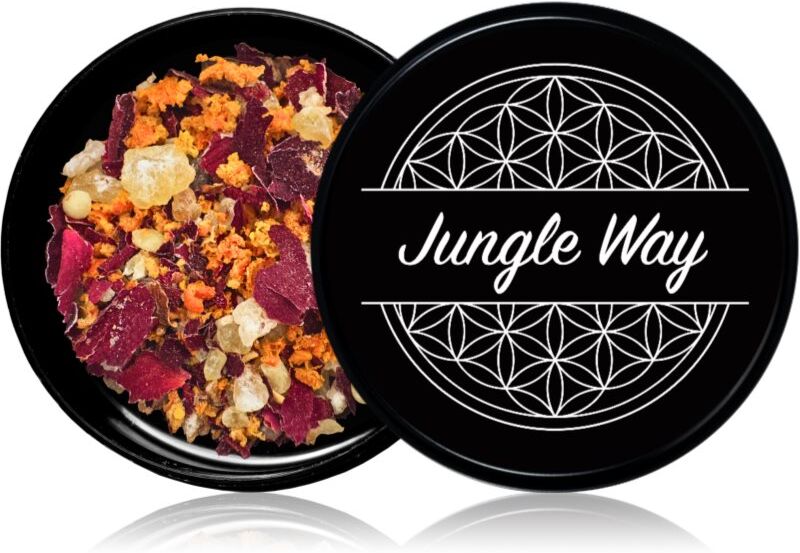
Jungle Way Creative Thoughts encens 15 gJungle Way Creative Thoughts, 15 g, Oliban et encens Parfum d'ambiance, Le bâton de fumigation Jungle Way Creative Thoughts vous permet de faire entrer des ondes positives dans votre quotidien. Sa fumée légère et son parfum harmonisant vous garantissent une expérience aromathérapeutique puissante et une ambiance relaxante. Transformez votre intérieur en une oasis emplie de senteurs purifiantes qui vous aideront à trouver la paix intérieure et à oublier le stress de la vie de tous les jours. Le produit : parfum floral arôme herbacé parfum chaleureux mélange spécialement conçu pour la fumigation herbes séchées conçues pour la fumigation remplit l’espace d’un parfum harmonisant Mode d’emploi : Tenir hors de portée des enfants et des animaux domestiques. Ne laissez jamais l’encensoir sans surveillance lorsque le charbon est allumé. Utilisez toujours un encensoir conçu pour cet effet. Après utilisation, éteignez avec de l’eau. Suivez les instructions du manuel joint. Allumez le bâton de fumigation, laissez-le brûler quelques instants et soufflez dessus pour l’éteindre. Utilisez-le toujours dans une pièce bien aérée.12,90 €*Shipping: 3,45 €Secure redirect to the provider
-
Linteo Kids Creative lingettes pour enfant 15 pcsLinteo Kids Creative, 15 pcs, Lingettes de toilette pour enfant, Une utilisation régulière de ce produit renforce encore son effet. Le produit : supprime les impuretés s’utilise sur le corps et le visage rafraîchit et nourrit la peau0,63 €*Shipping: 3,45 €Secure redirect to the provider
-
What are trophic levels and trophic structures?
Trophic levels refer to the hierarchical levels in an ecosystem through which energy and nutrients flow. They represent the feeding positions of different organisms in a food chain or food web. Trophic structures, on the other hand, describe the organization of these trophic levels within an ecosystem. This includes the distribution of energy and nutrients among different organisms, as well as the interactions and relationships between them. Overall, trophic levels and trophic structures are important concepts for understanding the flow of energy and nutrients in ecosystems and the dynamics of food chains and food webs. **
-
Are trophic levels and trophic levels the same in biology?
No, trophic levels and trophic levels are not the same in biology. Trophic levels refer to the hierarchical levels in an ecosystem based on an organism's position in the food chain, such as producers, primary consumers, secondary consumers, etc. On the other hand, trophic cascades are the indirect effects that occur when a change in one trophic level impacts other trophic levels in the ecosystem. Both concepts are important in understanding the dynamics of energy flow and interactions within ecosystems. **
-
Are trophic levels and trophic levels the same thing in biology?
No, "trophic levels" and "trophic levels" are not the same thing in biology. "Trophic levels" refer to the hierarchical levels in an ecosystem based on an organism's position in the food chain, such as producers, primary consumers, secondary consumers, and so on. On the other hand, "trophic levels" appears to be a typographical error or a repetition of the term "trophic levels." In biology, it is important to use accurate and specific terminology to avoid confusion and miscommunication. **
-
Why do organisms get larger from trophic level to trophic level?
Organisms tend to get larger from one trophic level to the next because as energy is transferred up the food chain, there is a loss of energy at each level. This means that organisms at higher trophic levels need to consume larger quantities of organisms from lower trophic levels to obtain enough energy to sustain themselves. Additionally, larger organisms are more efficient at capturing and consuming prey, allowing them to thrive at higher trophic levels. Finally, larger organisms have a lower surface area to volume ratio, which helps them retain heat and energy more effectively. **
Similar search terms for Trophic
-
Fun Factory Fun Cup A Coupe menstruelle Black Currant 20 mlFun Factory Fun Cup A, 20 ml, Coupes menstruelles Une solution confortable et écologique pour vous sentir à l'aise durant vos journées. Remplacez les produits sanitaires jetables par une coupe menstruelle pratique et utilisez-la Fun Factory Fun Cup A autant de fois que vous le souhaitez. Le produit : une alternative écologique aux produits d'hygiène féminine facile à placer facile à nettoyer convient pour un usage répété s'adapte à l'anatomie du corps adapté aux rapports sexuels pratiqués durant les menstruations coloré silicone entretien facile sachet en textile fourni Mode d’emploi : Suivre les instructions fournies dans le mode d’emploi. Rincez toujours abondamment à l'eau claire.2,70 €*Shipping: 3,45 €Secure redirect to the provider
-
DODO Couette tempérée, Frenchy ChicLaissez-vous envelopper par la douceur de la couette tempérée Frenchy Chic. Fabriquée en France, elle est signée Dodo. • 300 g/m² : couette tempérée • Niveau de chaleur : idéale pour chambre tempérée chauffée de 15 à 20° environ Bien choisir sa couette ? Consultez notre guide sur le site. Description • Garnissage fibres 100% polyester • Grammage 300 g/m2 • Enveloppe 100% polyester, 110 g/m2 • Finition passepoil Entretien • Température de lavage 40° • Séchage possible en machine à température modérée Dimensions • 140 x 200 cm : 1 personne • 220 x 240 cm : 2 personnes • 240 x 260 cm : 2 personnes • FABRIQUÉ EN FRANCE. • OEKO-TEX® Standard 100. La labellisation OEKO-TEX® Standard 100 contrôle les substances nocives des produits textiles via un label indépendant et international.67,49 €*Shipping: 3,99 €Secure redirect to the provider
-
DODO Oreiller moelleux, Frenchy ChicLaissez-vous envelopper par le confort de l’oreiller moelleux Frenchy Chic. Fabriqué en France, il est signé Dodo. • Oreiller mœlleux • Idéal si vous dormez sur le côté ou sur le ventre Bien choisir son oreiller ? Consultez notre guide sur le site. Description • Garnissage fibres 100% polyester • Enveloppe microfibre 100% polyester 110 g/m2 • Finition biais colorés Entretien • Température de lavage 40° • Séchage possible en machine à température modérée Dimensions • 50 x 70 cm : rectangulaire • 60 x 60 cm : carré • FABRIQUÉ EN FRANCE. • OEKO-TEX® Standard 100. La labellisation OEKO-TEX® Standard 100 contrôle les substances nocives des produits textiles via un label indépendant et international.22,79 €*Shipping: 3,99 €Secure redirect to the provider
-
Why do organisms become larger from trophic level to trophic level?
Organisms become larger from trophic level to trophic level due to the efficiency of energy transfer in ecosystems. As energy is transferred from one trophic level to the next, there is a loss of energy in the form of heat and metabolic processes. Larger organisms are able to consume more energy-rich food sources and have a more efficient metabolism, allowing them to grow in size as they move up the food chain. Additionally, larger organisms are better equipped to capture and consume prey, giving them a competitive advantage in obtaining energy and resources. **
-
Why does the biomass decrease from trophic level to trophic level?
Biomass decreases from trophic level to trophic level because energy is lost as it moves through the food chain. Organisms at each trophic level use some of the energy they consume for their own metabolic processes, such as respiration and movement, and the rest is lost as heat. This means that there is less energy available to be passed on to the next trophic level, resulting in a decrease in biomass. Additionally, not all of the energy from one trophic level is consumed by the next level, as some is lost through waste and uneaten parts of organisms. **
-
What are trophic levels in biology?
Trophic levels in biology refer to the hierarchical levels in an ecosystem where organisms are grouped based on their feeding relationships. The primary producers, such as plants, are at the base of the trophic levels as they convert sunlight into energy through photosynthesis. Herbivores that feed on plants are at the next level, followed by carnivores that eat herbivores. Each trophic level represents a transfer of energy and nutrients through the ecosystem, with energy decreasing as it moves up the levels. **
-
What is the trophic level of omnivores?
Omnivores are organisms that consume both plants and animals, so their trophic level can vary. When they consume plants, they are considered primary consumers (herbivores) and when they consume animals, they are considered secondary consumers (carnivores). This means that omnivores can occupy multiple trophic levels within a food web, depending on their diet. **
* All prices are inclusive of VAT and, if applicable, plus shipping costs. The offer information is based on the details provided by the respective shop and is updated through automated processes. Real-time updates do not occur, so deviations can occur in individual cases. ** Note: Parts of this content were created by AI.