Buy youngnailscaption.be ?
We are moving the project
youngnailscaption.be .
Are you interested in purchasing the domain
youngnailscaption.be ?
domain@kv-gmbh.de · 0541-91531010
Buy youngnailscaption.be ?
What is a thermoplastic with solvent?
A thermoplastic with solvent is a type of material that can be dissolved in a solvent, making it easier to manipulate and shape. When the solvent evaporates, the material solidifies, retaining its new shape. This property makes thermoplastics with solvent ideal for applications where precise shaping and molding are required, such as in the production of plastic films, coatings, and adhesives. **
What is the difference between a thermoplastic and a thermoset?
The main difference between a thermoplastic and a thermoset is their behavior when exposed to heat. Thermoplastics can be melted and reshaped multiple times without undergoing any chemical change, while thermosets undergo a chemical reaction when heated and cannot be reshaped once they have been set. Thermoplastics are typically more flexible and easier to recycle, while thermosets are more rigid and have better heat resistance. **
Similar search terms for Thermoplastic
Top-Angebote
Products related to Thermoplastic:
-
Linteo Kids Creative lingettes pour enfant 15 pcsLinteo Kids Creative, 15 pcs, Lingettes de toilette pour enfant, Une utilisation régulière de ce produit renforce encore son effet. Le produit : supprime les impuretés s’utilise sur le corps et le visage rafraîchit et nourrit la peau0,63 €*Shipping: 3,45 €Secure redirect to the provider
-
Fun Factory Fun Cup A Coupe menstruelle Black Currant 20 mlFun Factory Fun Cup A, 20 ml, Coupes menstruelles Une solution confortable et écologique pour vous sentir à l'aise durant vos journées. Remplacez les produits sanitaires jetables par une coupe menstruelle pratique et utilisez-la Fun Factory Fun Cup A autant de fois que vous le souhaitez. Le produit : une alternative écologique aux produits d'hygiène féminine facile à placer facile à nettoyer convient pour un usage répété s'adapte à l'anatomie du corps adapté aux rapports sexuels pratiqués durant les menstruations coloré silicone entretien facile sachet en textile fourni Mode d’emploi : Suivre les instructions fournies dans le mode d’emploi. Rincez toujours abondamment à l'eau claire.2,70 €*Shipping: 3,45 €Secure redirect to the provider


-
In which reaction pathway is a thermoplastic, thermoset, or elastomer formed?
Thermoplastics are formed in a reaction pathway that involves the polymer chains being able to be repeatedly softened and hardened through heating and cooling. Thermosets are formed in a reaction pathway that involves irreversible cross-linking of polymer chains, resulting in a rigid and durable material. Elastomers are formed in a reaction pathway that involves the polymer chains having the ability to return to their original shape after being stretched or deformed, providing elasticity and flexibility. **
-
What are the properties of polyurethane as a thermoplastic, thermoset, and elastomer?
Polyurethane as a thermoplastic is known for its ability to be melted and reformed multiple times without significant degradation in its properties. As a thermoset, polyurethane is characterized by its ability to undergo a chemical reaction during curing, resulting in a rigid and durable material that cannot be remelted. Lastly, as an elastomer, polyurethane exhibits excellent elasticity, flexibility, and resistance to abrasion, making it suitable for a wide range of applications such as seals, gaskets, and flexible parts. **
-
Which reaction pathway leads to the formation of a thermoplastic, thermoset, or elastomer?
The formation of a thermoplastic is typically achieved through a polymerization reaction pathway, where monomers are linked together to form long chains that can be repeatedly melted and solidified. Thermosets are formed through a crosslinking reaction pathway, where the polymer chains are permanently linked together, creating a rigid and infusible structure. Elastomers are formed through a combination of crosslinking and polymerization, resulting in a material that can be stretched and returned to its original shape. **
-
How can I build a model for a thermoplastic and for a thermoset?
To build a model for a thermoplastic, you can start by researching the specific properties and behavior of the thermoplastic material you are interested in modeling. This may include its melting point, glass transition temperature, mechanical properties, and chemical structure. You can then use this information to develop a mathematical or computational model that describes the material's behavior under different conditions. For a thermoset, you can similarly research its properties and behavior, such as its curing process, crosslinking density, and thermal stability. With this information, you can develop a model that captures the material's curing behavior and its mechanical properties after curing. In both cases, it's important to validate your model using experimental data and adjust it as needed to accurately represent the material's behavior. **


Which class of plastics has the property of being shatterproof: thermoplastic, thermoset, or elastomer?
The class of plastics that has the property of being shatterproof is thermoset. Thermoset plastics are rigid and hard, making them resistant to shattering upon impact. This property makes thermoset plastics suitable for applications where durability and impact resistance are important, such as in automotive parts or electronic components. **
Which class of plastics has the property of being shatterproof: thermoplastic, thermosetting plastic, or elastomer?
The class of plastics that has the property of being shatterproof is thermosetting plastic. Thermosetting plastics are rigid and strong, and once they are formed into a specific shape, they cannot be reshaped or melted. This makes them resistant to shattering or breaking under impact, making them suitable for applications where durability is important, such as in electrical insulators, automotive parts, and kitchenware. **
Top-Angebote
Products related to Thermoplastic:
-
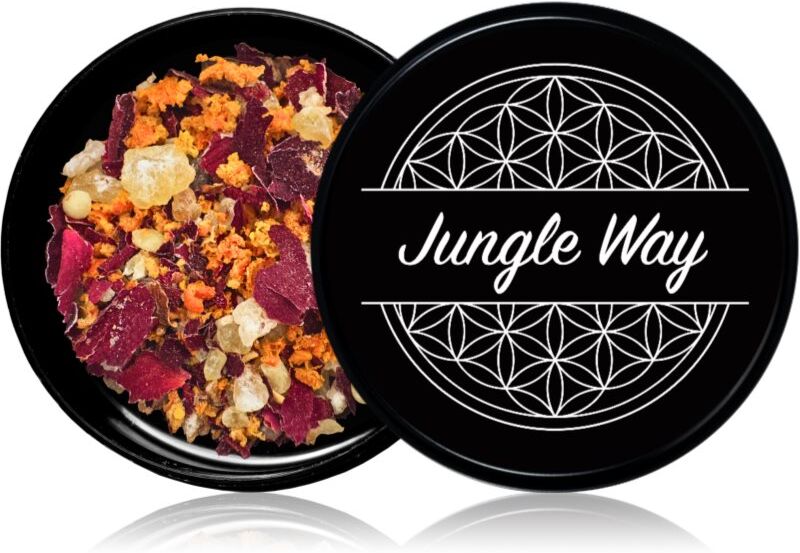
Jungle Way Creative Thoughts encens 15 gJungle Way Creative Thoughts, 15 g, Oliban et encens Parfum d'ambiance, Le bâton de fumigation Jungle Way Creative Thoughts vous permet de faire entrer des ondes positives dans votre quotidien. Sa fumée légère et son parfum harmonisant vous garantissent une expérience aromathérapeutique puissante et une ambiance relaxante. Transformez votre intérieur en une oasis emplie de senteurs purifiantes qui vous aideront à trouver la paix intérieure et à oublier le stress de la vie de tous les jours. Le produit : parfum floral arôme herbacé parfum chaleureux mélange spécialement conçu pour la fumigation herbes séchées conçues pour la fumigation remplit l’espace d’un parfum harmonisant Mode d’emploi : Tenir hors de portée des enfants et des animaux domestiques. Ne laissez jamais l’encensoir sans surveillance lorsque le charbon est allumé. Utilisez toujours un encensoir conçu pour cet effet. Après utilisation, éteignez avec de l’eau. Suivez les instructions du manuel joint. Allumez le bâton de fumigation, laissez-le brûler quelques instants et soufflez dessus pour l’éteindre. Utilisez-le toujours dans une pièce bien aérée.12,90 €*Shipping: 3,45 €Secure redirect to the provider
-
Linteo Kids Creative lingettes pour enfant 15 pcsLinteo Kids Creative, 15 pcs, Lingettes de toilette pour enfant, Une utilisation régulière de ce produit renforce encore son effet. Le produit : supprime les impuretés s’utilise sur le corps et le visage rafraîchit et nourrit la peau0,63 €*Shipping: 3,45 €Secure redirect to the provider
-
What is a thermoplastic with solvent?
A thermoplastic with solvent is a type of material that can be dissolved in a solvent, making it easier to manipulate and shape. When the solvent evaporates, the material solidifies, retaining its new shape. This property makes thermoplastics with solvent ideal for applications where precise shaping and molding are required, such as in the production of plastic films, coatings, and adhesives. **
-
What is the difference between a thermoplastic and a thermoset?
The main difference between a thermoplastic and a thermoset is their behavior when exposed to heat. Thermoplastics can be melted and reshaped multiple times without undergoing any chemical change, while thermosets undergo a chemical reaction when heated and cannot be reshaped once they have been set. Thermoplastics are typically more flexible and easier to recycle, while thermosets are more rigid and have better heat resistance. **
-
In which reaction pathway is a thermoplastic, thermoset, or elastomer formed?
Thermoplastics are formed in a reaction pathway that involves the polymer chains being able to be repeatedly softened and hardened through heating and cooling. Thermosets are formed in a reaction pathway that involves irreversible cross-linking of polymer chains, resulting in a rigid and durable material. Elastomers are formed in a reaction pathway that involves the polymer chains having the ability to return to their original shape after being stretched or deformed, providing elasticity and flexibility. **
-
What are the properties of polyurethane as a thermoplastic, thermoset, and elastomer?
Polyurethane as a thermoplastic is known for its ability to be melted and reformed multiple times without significant degradation in its properties. As a thermoset, polyurethane is characterized by its ability to undergo a chemical reaction during curing, resulting in a rigid and durable material that cannot be remelted. Lastly, as an elastomer, polyurethane exhibits excellent elasticity, flexibility, and resistance to abrasion, making it suitable for a wide range of applications such as seals, gaskets, and flexible parts. **
Similar search terms for Thermoplastic
-
Fun Factory Fun Cup A Coupe menstruelle Black Currant 20 mlFun Factory Fun Cup A, 20 ml, Coupes menstruelles Une solution confortable et écologique pour vous sentir à l'aise durant vos journées. Remplacez les produits sanitaires jetables par une coupe menstruelle pratique et utilisez-la Fun Factory Fun Cup A autant de fois que vous le souhaitez. Le produit : une alternative écologique aux produits d'hygiène féminine facile à placer facile à nettoyer convient pour un usage répété s'adapte à l'anatomie du corps adapté aux rapports sexuels pratiqués durant les menstruations coloré silicone entretien facile sachet en textile fourni Mode d’emploi : Suivre les instructions fournies dans le mode d’emploi. Rincez toujours abondamment à l'eau claire.2,70 €*Shipping: 3,45 €Secure redirect to the provider
-
Which reaction pathway leads to the formation of a thermoplastic, thermoset, or elastomer?
The formation of a thermoplastic is typically achieved through a polymerization reaction pathway, where monomers are linked together to form long chains that can be repeatedly melted and solidified. Thermosets are formed through a crosslinking reaction pathway, where the polymer chains are permanently linked together, creating a rigid and infusible structure. Elastomers are formed through a combination of crosslinking and polymerization, resulting in a material that can be stretched and returned to its original shape. **
-
How can I build a model for a thermoplastic and for a thermoset?
To build a model for a thermoplastic, you can start by researching the specific properties and behavior of the thermoplastic material you are interested in modeling. This may include its melting point, glass transition temperature, mechanical properties, and chemical structure. You can then use this information to develop a mathematical or computational model that describes the material's behavior under different conditions. For a thermoset, you can similarly research its properties and behavior, such as its curing process, crosslinking density, and thermal stability. With this information, you can develop a model that captures the material's curing behavior and its mechanical properties after curing. In both cases, it's important to validate your model using experimental data and adjust it as needed to accurately represent the material's behavior. **
-
Which class of plastics has the property of being shatterproof: thermoplastic, thermoset, or elastomer?
The class of plastics that has the property of being shatterproof is thermoset. Thermoset plastics are rigid and hard, making them resistant to shattering upon impact. This property makes thermoset plastics suitable for applications where durability and impact resistance are important, such as in automotive parts or electronic components. **
-
Which class of plastics has the property of being shatterproof: thermoplastic, thermosetting plastic, or elastomer?
The class of plastics that has the property of being shatterproof is thermosetting plastic. Thermosetting plastics are rigid and strong, and once they are formed into a specific shape, they cannot be reshaped or melted. This makes them resistant to shattering or breaking under impact, making them suitable for applications where durability is important, such as in electrical insulators, automotive parts, and kitchenware. **
* All prices are inclusive of VAT and, if applicable, plus shipping costs. The offer information is based on the details provided by the respective shop and is updated through automated processes. Real-time updates do not occur, so deviations can occur in individual cases. ** Note: Parts of this content were created by AI.